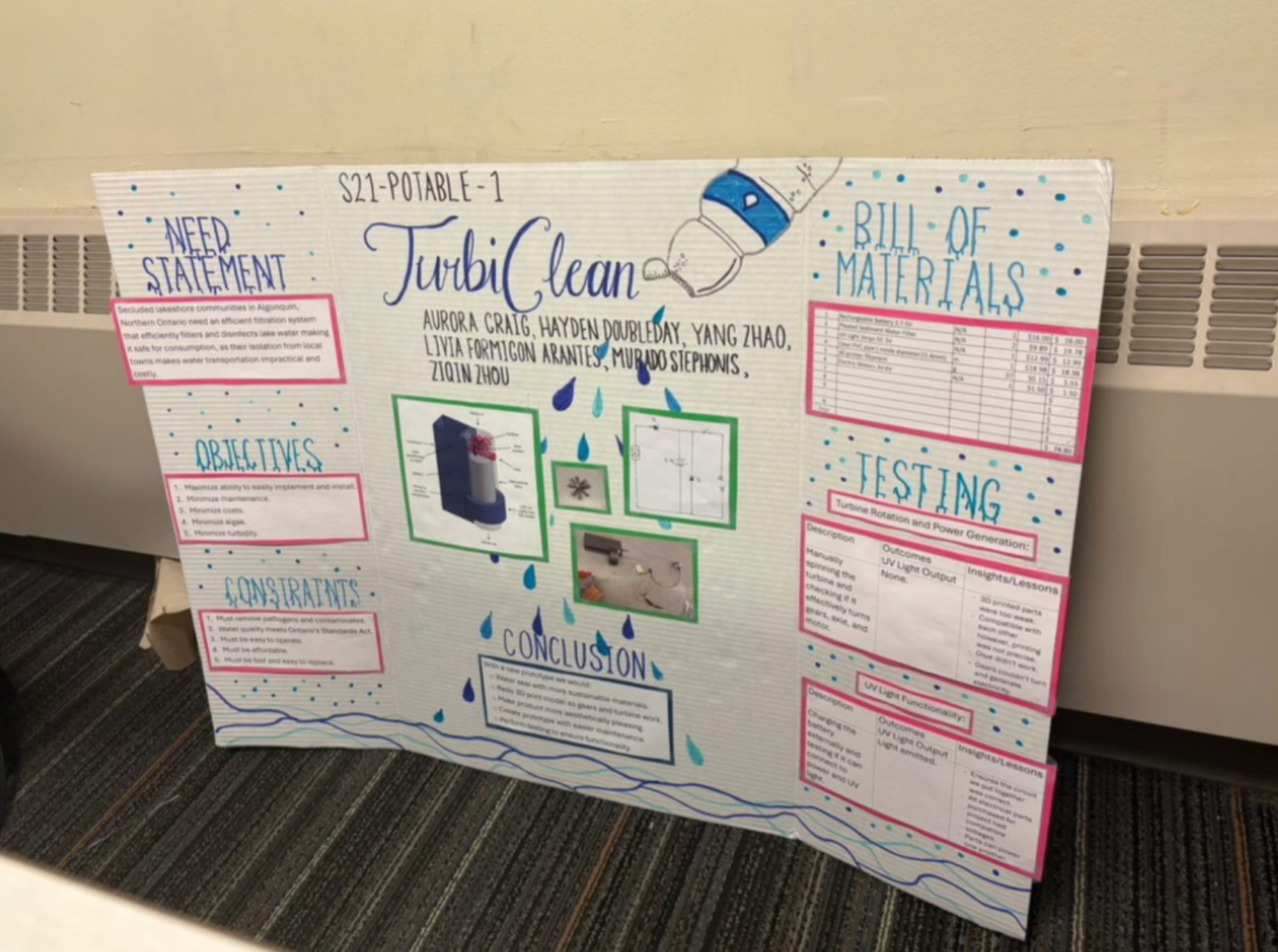
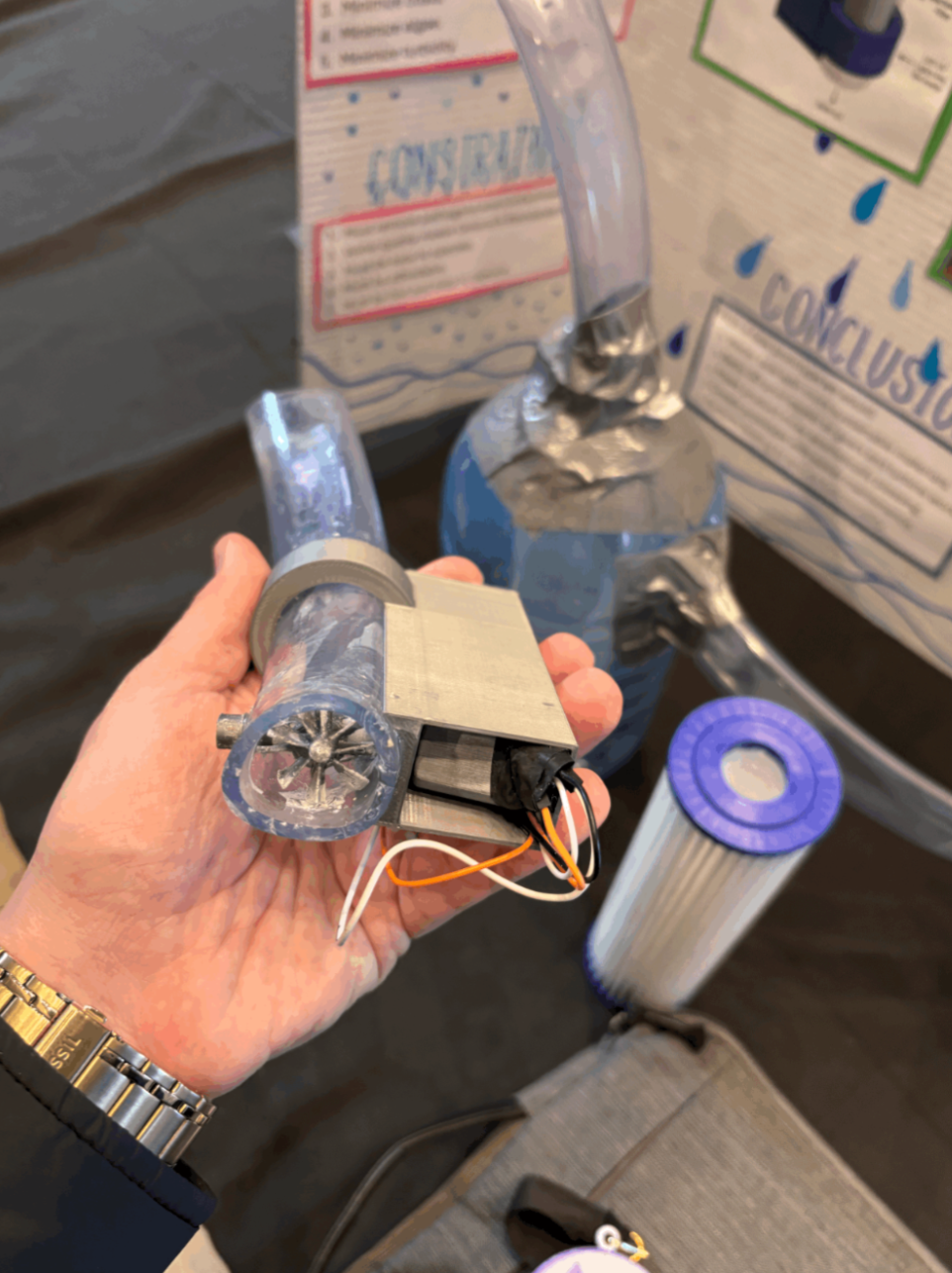
My City of London co-op placed me inside the day-to-day reality of municipal wastewater operations. Rather than working only from classroom calculations, I had to connect operating data, pump behaviour, treatment-plant conditions and field observations to the larger question of whether infrastructure was performing as expected.
I supported engineering and operations staff across multiple wastewater facilities and pumping sites, regularly working with SCADA information, flow records, pump-performance data and technical summaries. The work required me to understand what the data represented physically, recognize when trends or values looked unusual, and communicate findings in a way that could be useful to people responsible for operating the system.
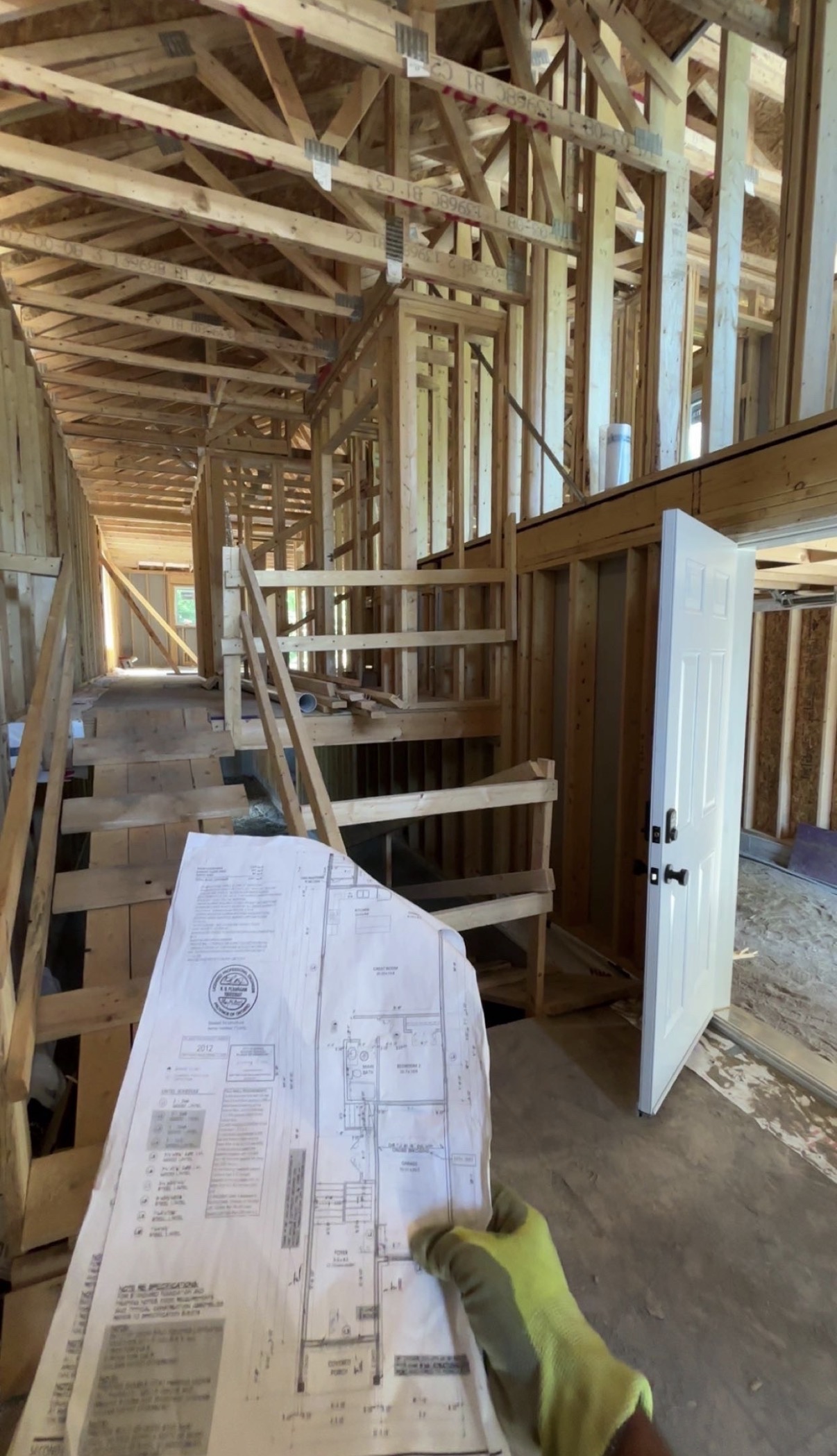
A large part of the learning came from moving back and forth between field conditions and the data behind them. Seeing tanks, pumps, piping, laboratory equipment and maintenance activities in person made it much easier to understand why a trend on a screen mattered operationally, and it pushed me to think about equipment as part of an interconnected treatment system rather than as isolated components.
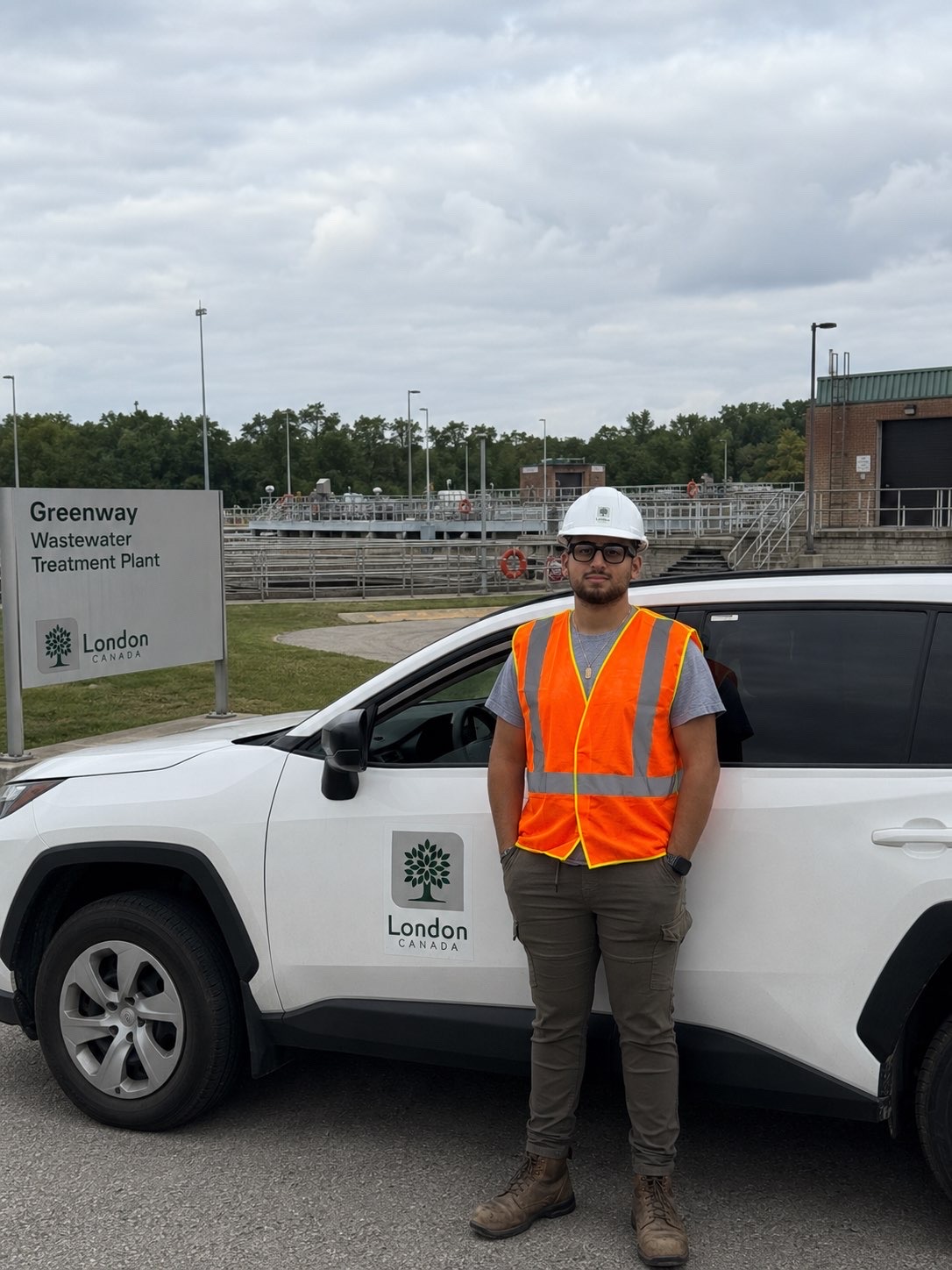
The role also exposed me to the safety and coordination required around municipal infrastructure. Plant visits, maintenance activities and discussions with operations staff showed me that good engineering work is not only about getting the calculation right; it also depends on understanding how recommendations affect the people operating, maintaining and relying on the system every day.
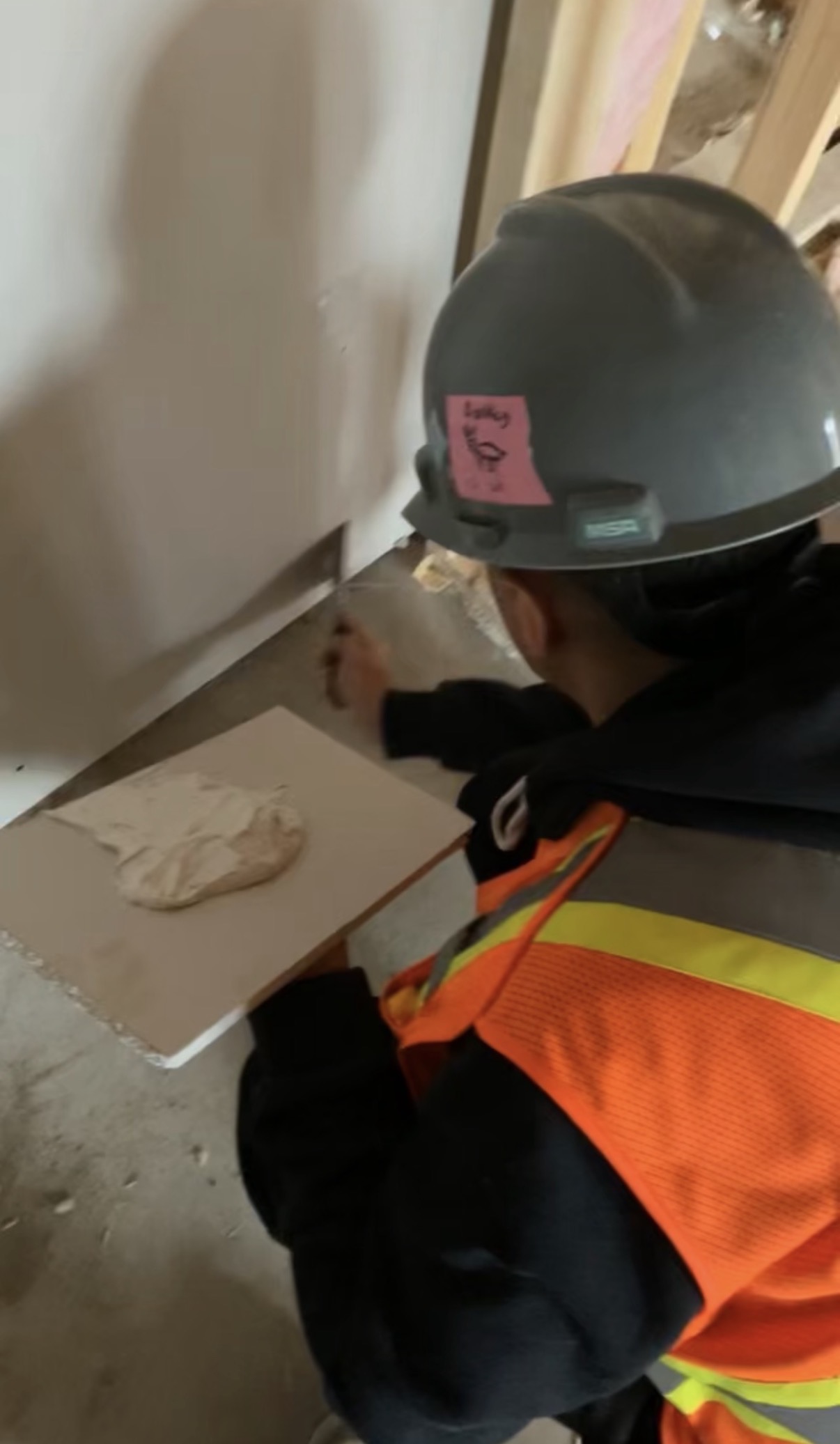
Swipe or use the arrows to move through a few of the field, lab and analysis environments from the co-op.
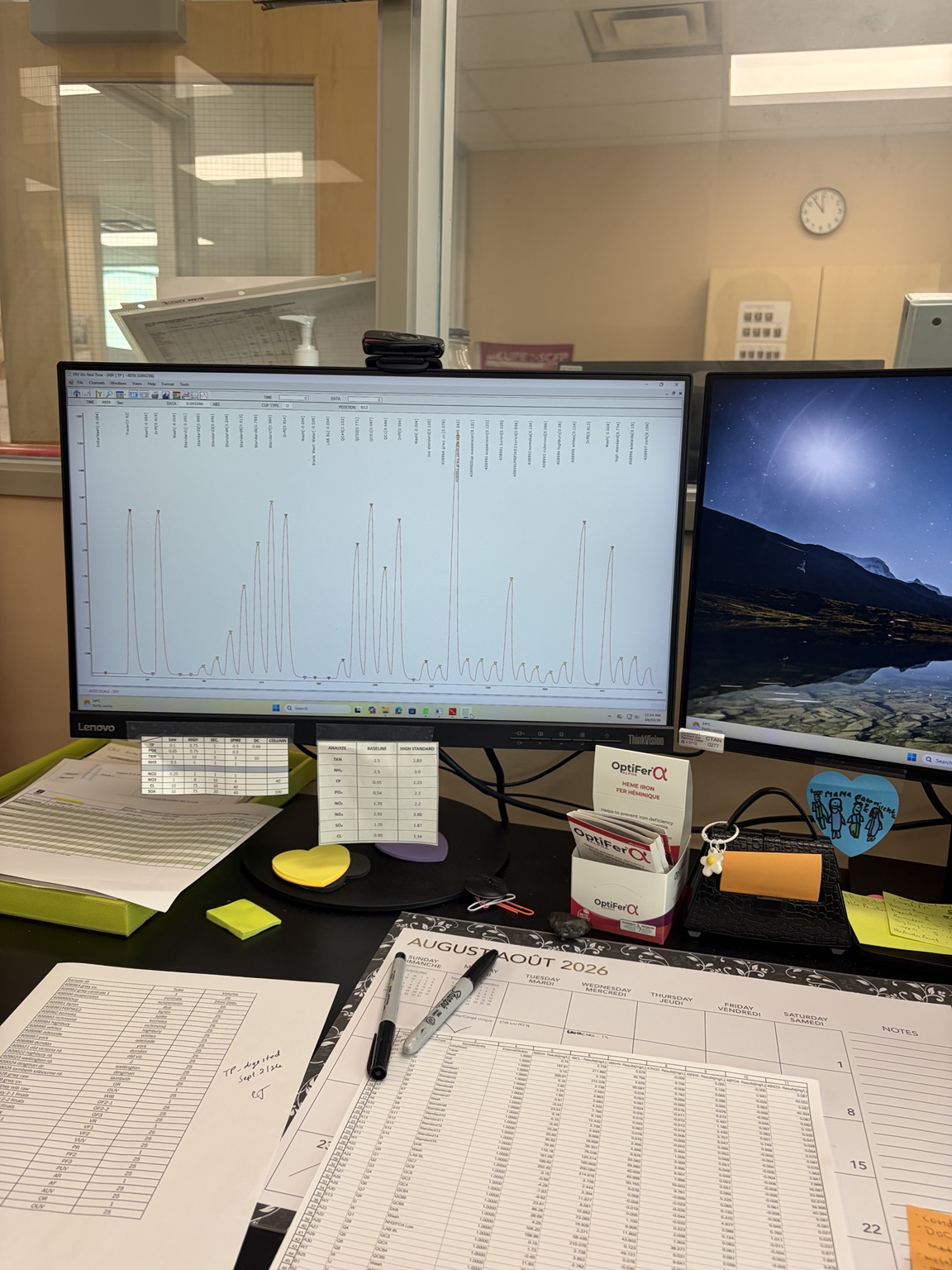
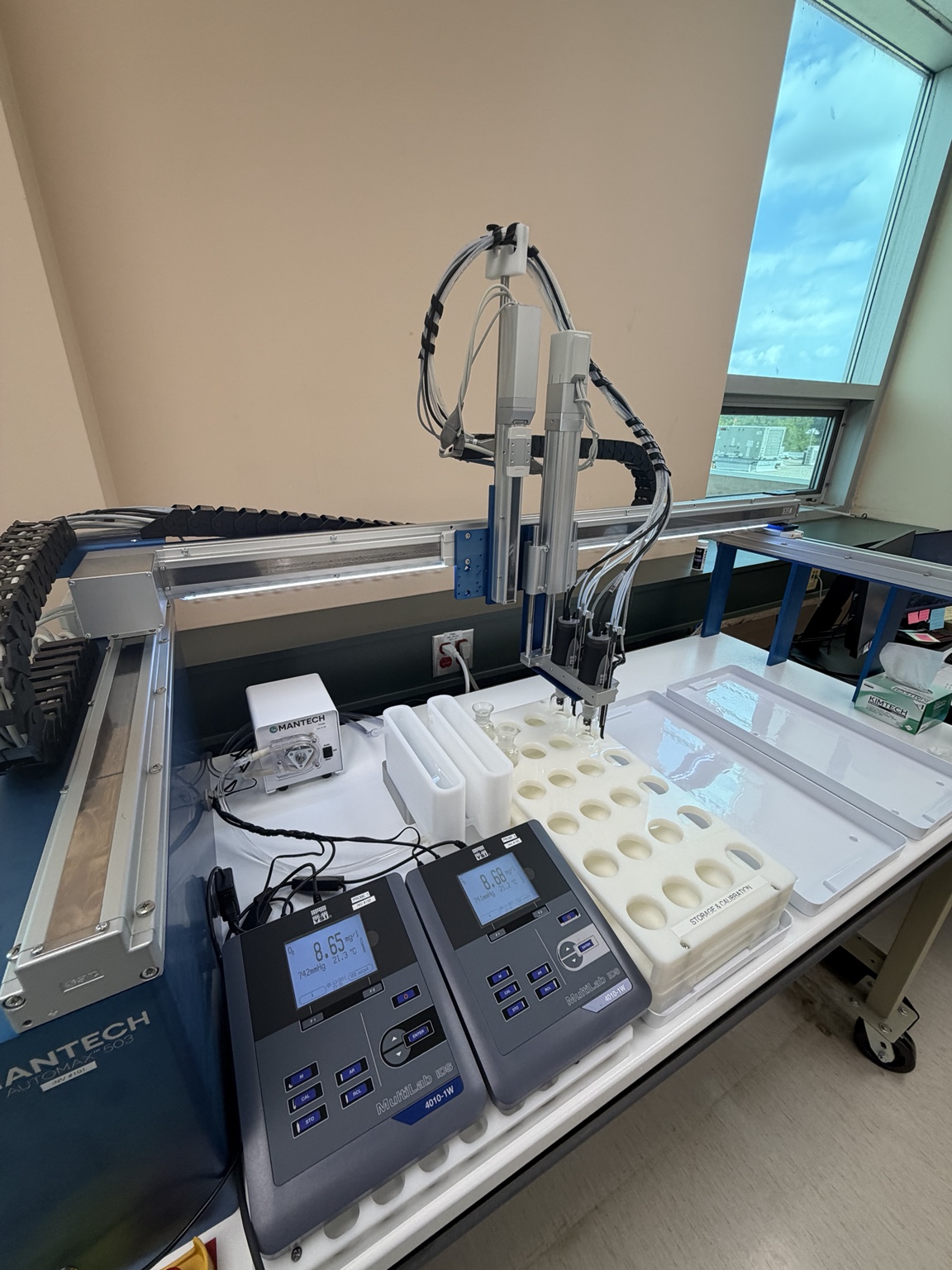
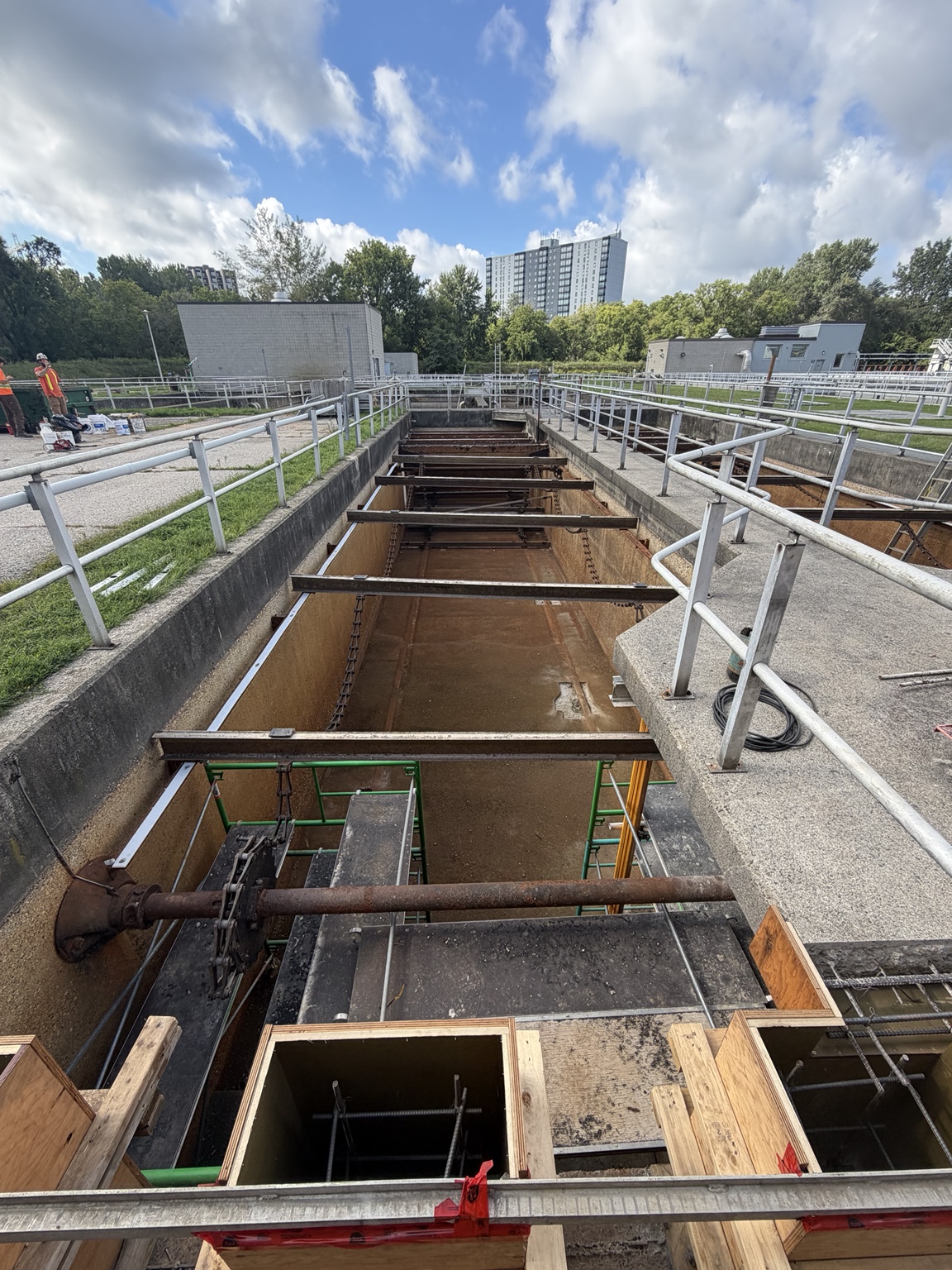
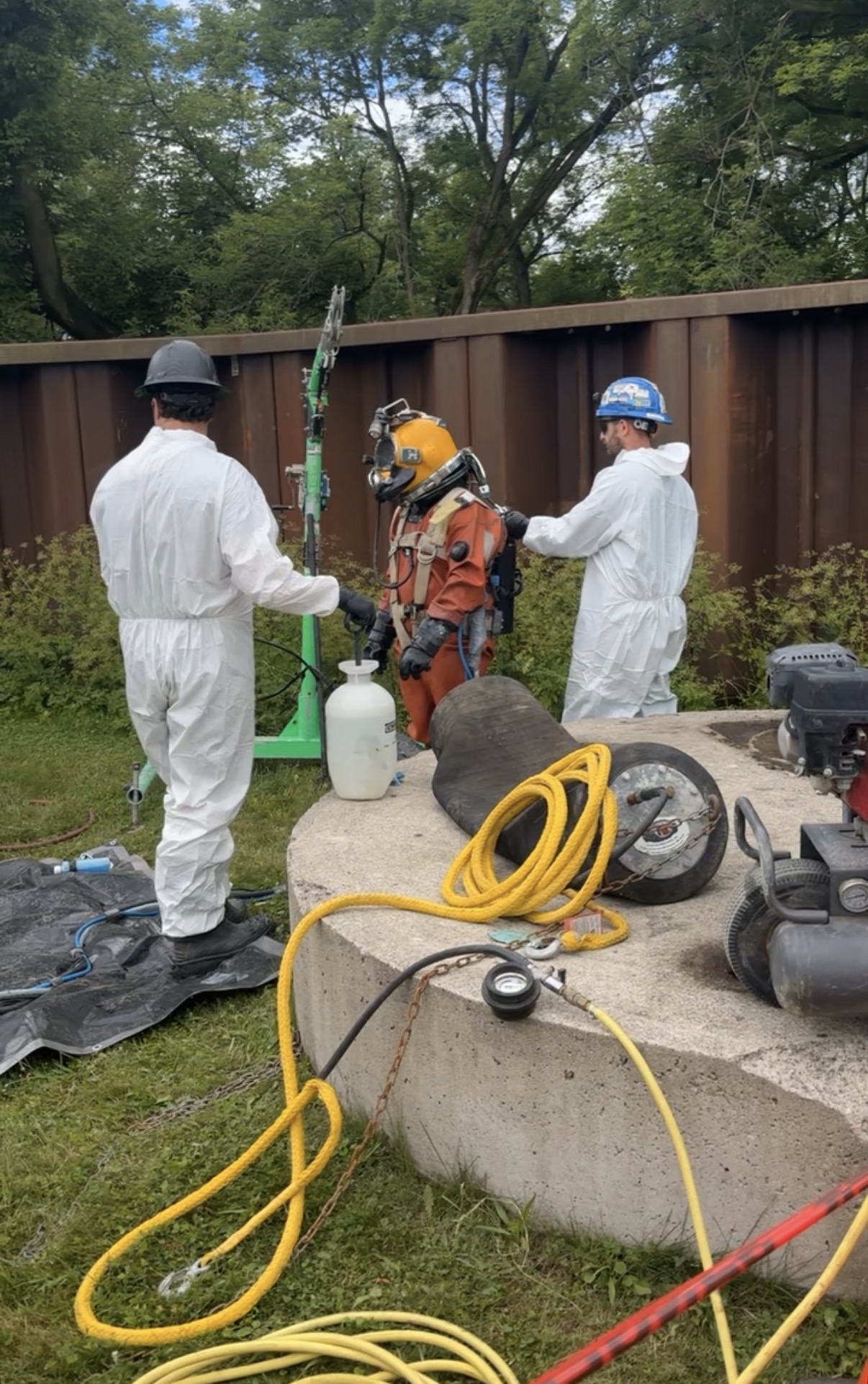
Reviewed operating conditions and flow data across treatment facilities, helping turn raw plant information into clear engineering observations. This included looking for patterns, comparing site behaviour and considering how process conditions affected overall performance.
Worked with SCADA trends across more than 30 wastewater and pumping locations. I used the data to identify operating anomalies, compare equipment behaviour over time and support technical discussions with engineering and operations staff.
Reviewed pump performance and capacity-related data to understand how infrastructure responded under different operating conditions. This strengthened my ability to interpret equipment data instead of treating values as isolated numbers.
Calculated hydraulic retention times using plant flow and tank information to support process understanding and operational analysis. The work reinforced the relationship between plant hydraulics, treatment time and process performance.
Regular site visits helped me connect drawings, tags, pumps, tanks and process equipment to what I was seeing in the data. That field exposure was one of the most valuable parts of the role because it made the analysis more practical and grounded.
Summarized findings for engineering and operations staff so that calculations and observations could be used in real decision-making. The experience improved my ability to communicate technical information clearly without losing the engineering reasoning behind it.